
90s Infomercials We All Remember: From the Snuggie’s Ancestors to Total Gym
The 1990s turned the infomercial from a late-night oddity into a billion-dollar engine of American retail, minting household names out of products like the George Foreman Grill, Total Gym, and ThighMaster. If you grew up channel surfing past midnight, you remember the demos, the studio audiences, and the operators standing by.
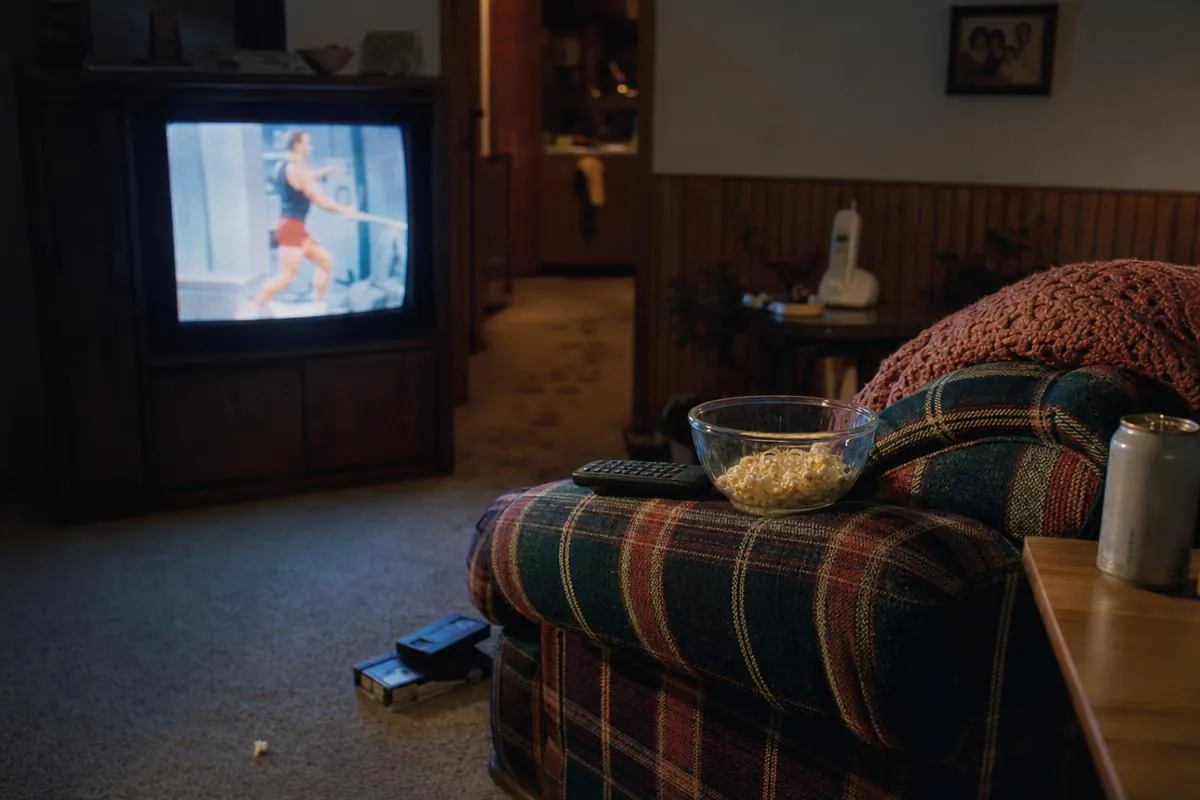
The Decade That Made Infomercials a Pop-Culture Force
The 90s were the golden era of the infomercial because three things lined up at once: cable TV had matured into a 24-hour ecosystem hungry for content, late-night ad inventory was dirt cheap, and a generation of pitchmen had figured out the demo-plus-testimonial formula that turns a 28 minute commercial into a story you cannot turn off. The result was a decade of advertising so distinctive that “as seen on TV” became its own retail category.
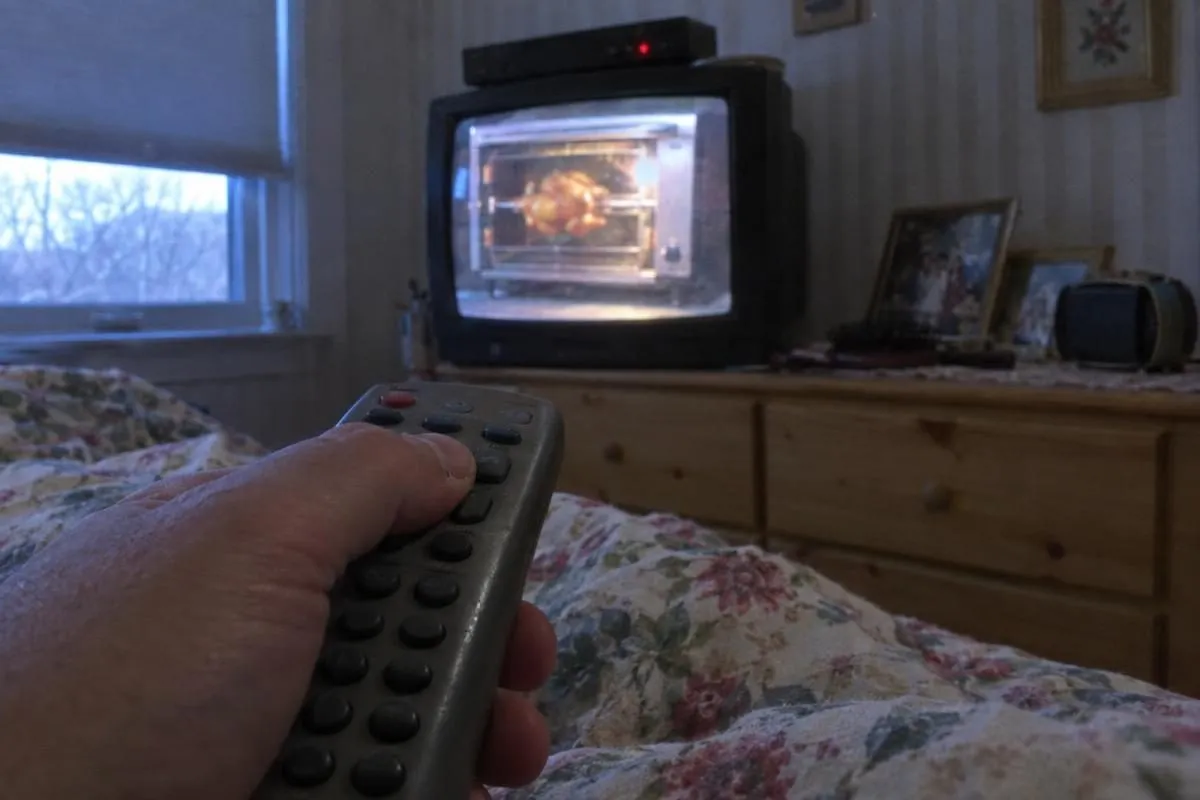
What people sometimes forget is that this whole format was illegal in the United States until the mid-1980s. By the time the 90s arrived, the rules had changed and the door was wide open.
The Format Crystallized in the 90s
The legal foundation came from a 1984 FCC decision that repealed the agency’s commercial time limits. Before that ruling, TV stations could not run more than about 16 minutes of advertising per hour, which made a 28 minute product pitch impossible. Once the cap was lifted, program-length ads were free to fill late-night and weekend slots, and the first wave of modern infomercials arrived in the late 80s. For the longer history, see our guide to 80s infomercials and the explainer on what an infomercial actually is.
By the early 90s, the template was set. A studio audience, a charismatic host, a problem demonstration, three or four testimonials, a price reveal, a “but wait, there’s more” upsell, and a 1-800 number. Every successful 90s infomercial used some version of that script, which is why they all feel familiar even when the products are completely different.
The Iconic 90s Infomercials
George Foreman Lean Mean Grilling Machine
Salton launched the George Foreman Grill in 1994, and the rest is kitchen history. The slanted grill plates that drained fat into a little plastic tray became the perfect visual demo, and Foreman’s warm, undefeated-heavyweight charisma did the rest.
Salton famously paid Foreman in royalties rather than a flat fee, and the deal made him reportedly more money than his entire boxing career. The product has sold over 100 million units worldwide, which is the kind of number that turns a single-product infomercial into a permanent fixture in American kitchens.
Total Gym
The Total Gym existed before the 90s, but the Chuck Norris and Christie Brinkley pairing turned it into a phenomenon. Norris brought credibility from his action-movie career and Brinkley brought mainstream appeal, and the two of them made the inclined-plane resistance trainer look both serious and approachable.
The Total Gym infomercial ran in heavy rotation for years, which is unusual. Most infomercials burn out after a few quarters because the testimonial pool gets stale. Total Gym kept refreshing the spot, and the product became one of the longest-running success stories in DRTV history.
ThighMaster
Suzanne Somers debuted the ThighMaster in 1991, and it became the visual shorthand for early 90s home fitness. The product itself was simple: two padded handles and a hinged spring that you squeezed between your thighs.
What made it work was Somers herself. She had the name recognition from “Three’s Company,” she did her own demos, and she could deliver lines like “squeeze, squeeze your way to shapely hips and thighs” without a hint of irony. The ThighMaster reportedly sold more than 10 million units in its first few years.
Bowflex
Bowflex took the opposite approach to ThighMaster: instead of a single-purpose gadget, it sold a full home-gym system that used flexible polymer rods for resistance. The 90s pitch leaned hard on the “60 exercises in 20 minutes a day” promise, and the visuals showed lean men and women doing pull-downs, leg curls, and bench presses on a single piece of equipment that folded up.
The brand grew steadily through the decade and became the gold standard for infomercial home gyms. It also helped legitimize the idea that you could spend over $1,000 on a single direct-response purchase, which opened the door for higher-ticket infomercial products in the 2000s.
Tae Bo
Billy Blanks broke through in the mid-90s with Tae Bo, a high-energy mix of martial arts and aerobics that he taught from his studio in Sherman Oaks. The infomercial format was perfect for it: Blanks could demo the moves, intercut with rooms full of sweating, smiling participants, and sell a VHS box set at the end.

Tae Bo crossed over from infomercial into legitimate fitness culture. Celebrities endorsed it, gyms added Tae Bo classes, and the brand reportedly sold tens of millions of tapes. It is one of the few 90s infomercial products that became a verb.
Showtime Rotisserie
Ron Popeil’s Showtime Rotisserie & BBQ launched in the late 90s and gave the world one of the most enduring catchphrases in advertising: “Set it, and forget it.” Popeil, who had been pitching products since the 60s, brought decades of demo polish to the format. He sliced, he basted, he turned, and he asked the audience to chant the line back at him. For more on the line itself, see our roundup of iconic infomercial catchphrases.
The Showtime sold reportedly over $1 billion worth of units across its run, and it cemented Popeil’s status as the patron saint of the infomercial.
Proactiv
Dermatologists Katie Rodan and Kathy Fields launched Proactiv Solution in 1995 as a three-step acne system sold through infomercials. The pitch was different from the gadget-heavy fitness ads: it leaned on celebrity testimonials (Vanessa Williams, Judith Light, and later Jessica Simpson and Justin Bieber) and clinical credibility from the founders’ MD credentials.
Proactiv became the best-selling acne treatment in the country and proved that you could sell a high-margin subscription product through DRTV. That model, recurring shipments triggered by an infomercial, is now the playbook for dozens of beauty and wellness brands.
Hair Club for Men
Sy Sperling delivered one of the most quoted lines in infomercial history with the Hair Club for Men spot: “I’m not only the Hair Club president, I’m also a client.” The ad ran for years, and the line became a pop-culture punchline used by everyone from sitcom writers to political commentators.
What made it work was sincerity. Sperling was clearly a regular guy, not a slick pitchman, and his willingness to put his own bald-then-not-bald photos on screen built trust in a category that had been full of scams.
The Clapper
The Clapper launched in 1985, but its jingle (“clap on, clap off, the Clapper”) got new life in the 90s through endless reruns and parody. The product itself was a sound-activated switch that turned lamps and small appliances on and off, marketed primarily to seniors and people with mobility limits.
The Clapper is probably the best example of how a great jingle can outlive the original ad campaign. Most people under 40 have never seen the spot air, but they can still sing the chorus.
The Pitchmen Era Begins
The 90s did not just sell products, it minted personalities. Ron Popeil, Tony Robbins, Tony Little, and Suzanne Somers all built second careers as infomercial fixtures, and each developed a style that fans recognized within seconds. Popeil was the master demonstrator. Robbins was the motivational marathon. Tony Little was the high-energy ponytail. Somers was the friendly girl-next-door turned home-fitness mogul. For deeper profiles, see our roundup of famous infomercial pitchmen.
Billy Mays, who became the face of OxiClean and a dozen other products, started building his career in this same era at home-show booths and county fairs before crossing over to TV in the early 2000s. The pipeline from in-person pitching to infomercial fame was a 90s invention.
What These Ads Got Right About Marketing
The reason 90s infomercials still get studied in marketing classes is that the format gets a few things exactly right. First, problem demonstration: every spot opens by showing a frustrating, relatable problem (greasy hamburgers, flabby thighs, hard-to-reach acne) and then solves it on camera. Second, social proof: real-looking customers, often with before-and-after photos, deliver short testimonials that feel earned. Third, urgency: the “call in the next 20 minutes” overlay creates artificial scarcity that still moves units.
None of these techniques are new. What the 90s did was package them into a 28 minute story arc that holds attention better than almost any modern ad format. That is why pieces of the playbook now show up everywhere from TikTok product demos to Shopify landing pages.
What Happened Next
The 2000s brought Billy Mays, OxiClean, the Snuggie, ShamWow, and a wave of compressed two-minute “spotvertorials” that played in regular ad breaks instead of late-night blocks. The internet eventually fragmented the audience, but DRTV is still a multi-billion-dollar industry today, and many of the same techniques have migrated to social platforms. For a fuller picture, see our pillar guide on what an infomercial is and how it works.
Frequently Asked Questions
When did infomercials become legal in the US?
Long-form infomercials became legal in 1984, when the FCC, under the Reagan administration, repealed its rule that limited TV commercials to roughly 16 minutes per hour. That deregulation allowed 28 minute and 30 second program-length ads to fill late-night and weekend airtime.
What was the most successful 90s infomercial?
The George Foreman Lean Mean Grilling Machine and the Total Gym are widely cited as two of the most successful 90s infomercial products. The Foreman Grill, launched by Salton in 1994, sold more than 100 million units, and the Total Gym became a fitness staple thanks to Chuck Norris and Christie Brinkley.
How long is a typical infomercial?
The standard infomercial runs 28 minutes and 30 seconds, which fits a 30 minute broadcast block once you account for station identification and short bumpers. That length became the industry default after the 1984 FCC change.
Where does the phrase “Set it, and forget it” come from?
Ron Popeil coined “Set it, and forget it” for the Showtime Rotisserie & BBQ in the late 1990s. The line became one of the most quoted catchphrases in infomercial history and is still used as shorthand for any hands-off appliance.
Are 90s infomercial products still available?
Many of them are. The George Foreman Grill, Total Gym, ThighMaster, Bowflex, Proactiv, and The Clapper are all still sold today, often with updated models. A few, like the original Showtime Rotisserie, have been refreshed under new ownership.
Who were the biggest infomercial pitchmen of the 1990s?
Ron Popeil, Tony Robbins, Tony Little, Suzanne Somers, Billy Blanks, and Chuck Norris were among the most recognizable pitchmen of the 90s. Each became closely associated with a single product line, which is exactly how infomercial branding works best.