
What Is an Infomercial? The Complete Guide to Long-Form TV Advertising
An infomercial is a long-form television commercial, usually 28 minutes and 30 seconds long, that blends product demonstration, testimonials, and a direct call to action into a single program-length pitch. If you have ever stayed up past midnight and found a charismatic host slicing tomatoes, squeezing thighs, or promising to change your life for three easy payments of $19.95, you have watched one. This guide explains what an infomercial actually is, how it works, where it came from, and why the format still moves billions of dollars in product every year.
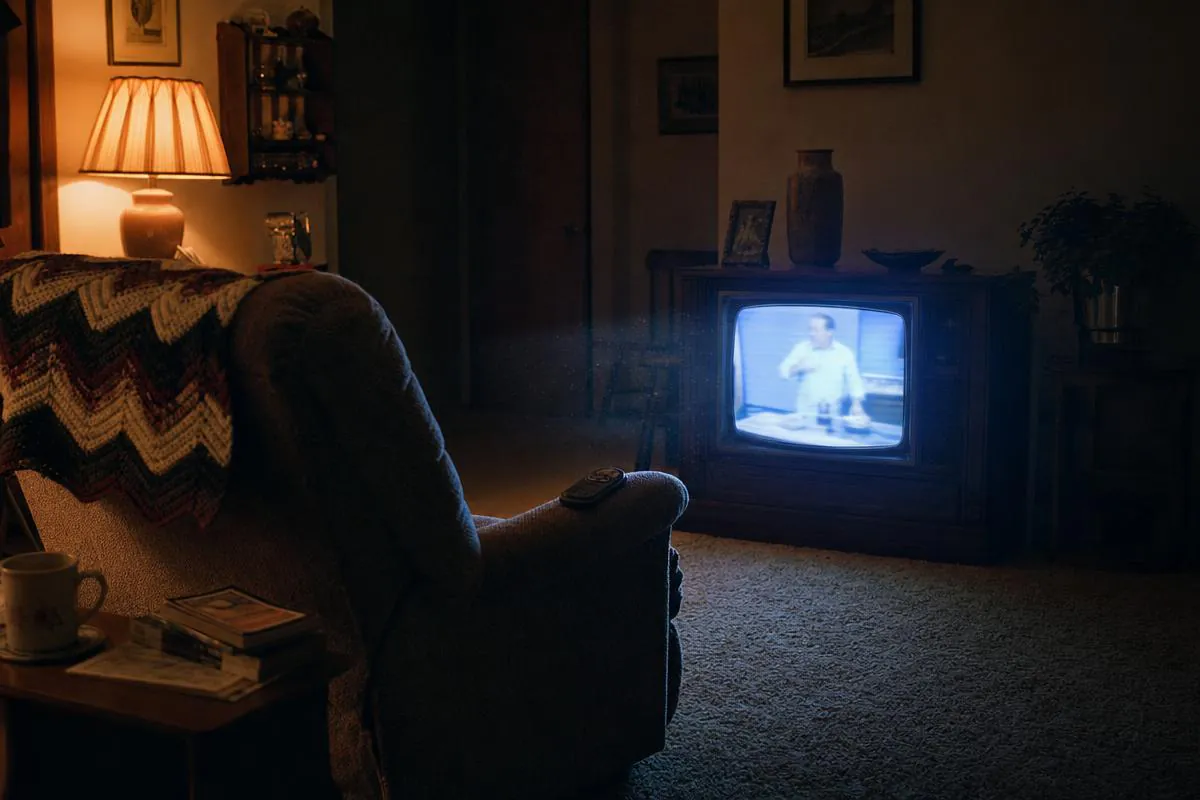
What Is an Infomercial, Exactly?
An infomercial is a paid television program whose entire purpose is to sell a single product or service directly to the viewer. The word is a blend of “information” and “commercial,” and that mix is the whole idea: the ad informs and entertains for long enough that the sale feels like a natural conclusion rather than an interruption. Unlike a 30 second spot that builds brand awareness, an infomercial asks you to buy right now, usually by calling a toll-free number or visiting a website.
The format belongs to a broader category called direct-response television, or DRTV. Any TV ad that asks for an immediate action (call, text, or click) is direct response. The infomercial is simply the longest and most elaborate version of it.
Infomercial vs Commercial: The Key Differences
A traditional commercial and an infomercial share the same goal, selling something, but almost nothing else. The differences come down to length, structure, and how success is measured.
- Length. A commercial runs 15, 30, or 60 seconds. An infomercial runs a full 28 minutes and 30 seconds, or a shorter 2 minute DRTV spot.
- Goal. A commercial builds awareness and brand image. An infomercial closes a sale on the spot.
- Structure. A commercial teases. An infomercial demonstrates the product in full, stacks testimonials, and reveals the price near the end.
- Measurement. A brand commercial is judged on reach and recall. An infomercial is judged on one number: how many units it sold per dollar of airtime.
- Airtime. Commercials run in prime time at premium rates. Infomercials fill cheap late-night and weekend blocks.
How Long Is an Infomercial?
The standard infomercial is 28 minutes and 30 seconds long. That oddly specific number exists so the program fits neatly into a 30 minute broadcast block once you account for station identification and short bumpers. There is also a shorter format, the 2 minute (sometimes 90 second) direct-response spot, which uses the same structure compressed into a regular ad break. Both lengths became industry standards after a single regulatory change in 1984.
The Anatomy of an Infomercial
Almost every successful infomercial, from the 1980s to today, follows the same seven-part script. Once you learn the pattern, you cannot unsee it.
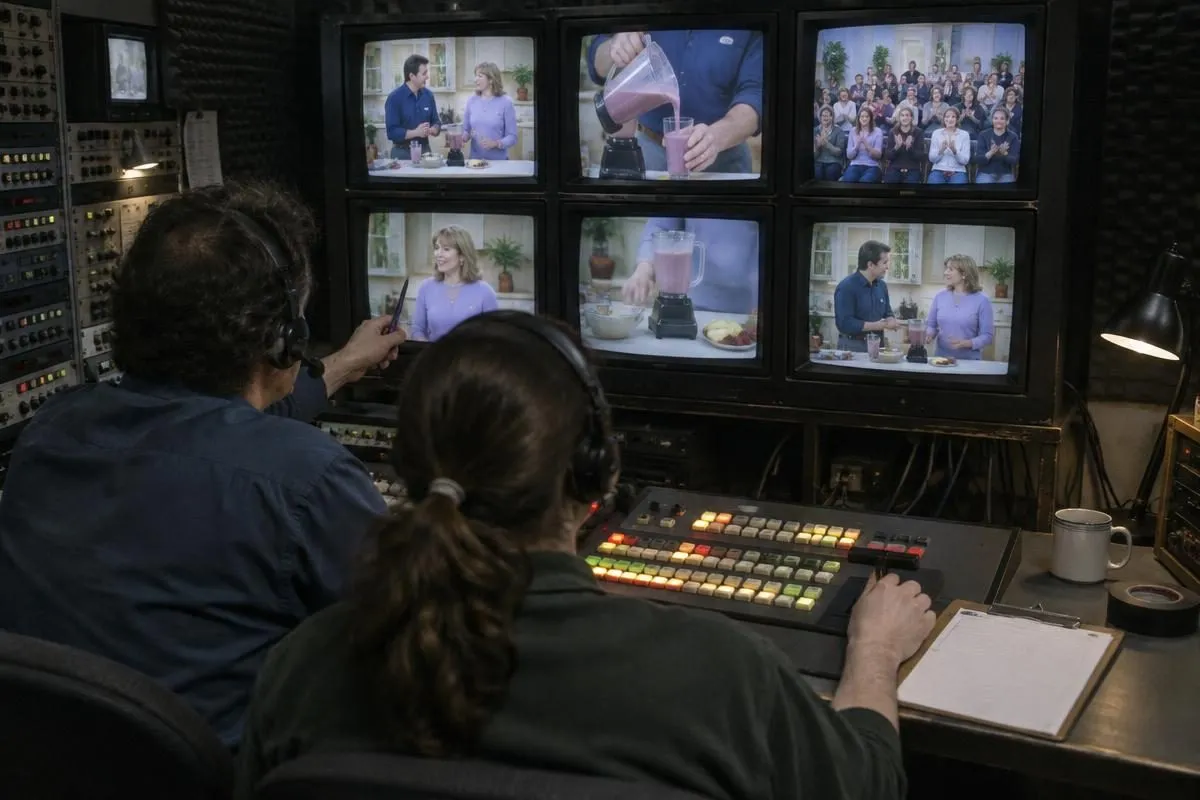
- The hook. A dramatic opening that grabs channel surfers, often a bold claim or a relatable frustration.
- The problem. A clear, exaggerated demonstration of the pain the product solves: a greasy burger, a flabby thigh, a leaky pipe.
- The demonstration. The product solves that problem on camera, usually more than once, so the viewer sees it work.
- The testimonials. Real-looking customers, before-and-after photos, and sometimes a celebrity vouch for the results.
- The price reveal. After the value is established, the host names a surprisingly low price.
- The upsell. “But wait, there’s more.” Bonus items and a second unit stack on to raise the perceived value.
- The call to action. A toll-free number, a countdown, and the reassurance that operators are standing by.
That structure is repeated two or three times across the half hour, because producers learned that the average viewer needs several passes before committing. It is repetitive on purpose.
A Short History: How Infomercials Became Legal
The modern infomercial was born in 1984. Before that year, the FCC limited how many minutes of commercials a TV station could air per hour, roughly 16 minutes, which made a 28 minute product pitch illegal. As part of a broader Reagan-era push to deregulate broadcasting, the FCC repealed that cap, and stations were suddenly free to sell entire half-hour blocks of airtime to advertisers.
Within months, cheap late-night slots filled with long-form pitches for kitchen gadgets, exercise machines, and motivational tapes. By the end of the decade the infomercial was a billion-dollar industry. For the full story of those early years, see our guide to 80s infomercials, and for the decade the format truly exploded, see our roundup of 90s infomercials.
Why Infomercials Work
Infomercials are still studied in marketing classes because the format gets a handful of psychological levers exactly right. The problem-and-solution structure creates a need the viewer did not know they had. The live demonstration provides proof that beats any written claim. Testimonials supply social proof, the sense that people like you already trust this. And the countdown clock plus limited-time bonus manufacture urgency, nudging a passive viewer into dialing the phone.
None of these techniques are new or unique to television. What the infomercial did was package them into a 28 minute story arc that holds attention better than almost any other ad format. That is why pieces of the playbook now show up everywhere from TikTok product demos to Shopify landing pages.
The Main Types of Infomercials
Not every infomercial looks the same. Over the decades the format split into a few recognizable types, each suited to a different kind of product.
- Long-form (28:30). The classic half-hour program, best for products that need a full demonstration or an emotional story, such as fitness systems, cookware, and self-help programs.
- Short-form (60 to 120 seconds). A compressed version that runs inside normal ad breaks, ideal for simple, visual products like cleaning sprays and kitchen gadgets.
- The storymercial. A long-form spot built around a narrative or a mock talk-show or dinner-party setting, used to make the pitch feel like entertainment rather than an ad.
- The infotainment or magazine format. A host reviews several products per episode, a style that directly influenced home-shopping channels like QVC and HSN.
The choice of format usually comes down to the product. If it can be shown working in ten seconds, a short spot does the job. If the sale depends on transformation or trust, the full half hour earns its airtime.
What Does It Cost to Run an Infomercial?
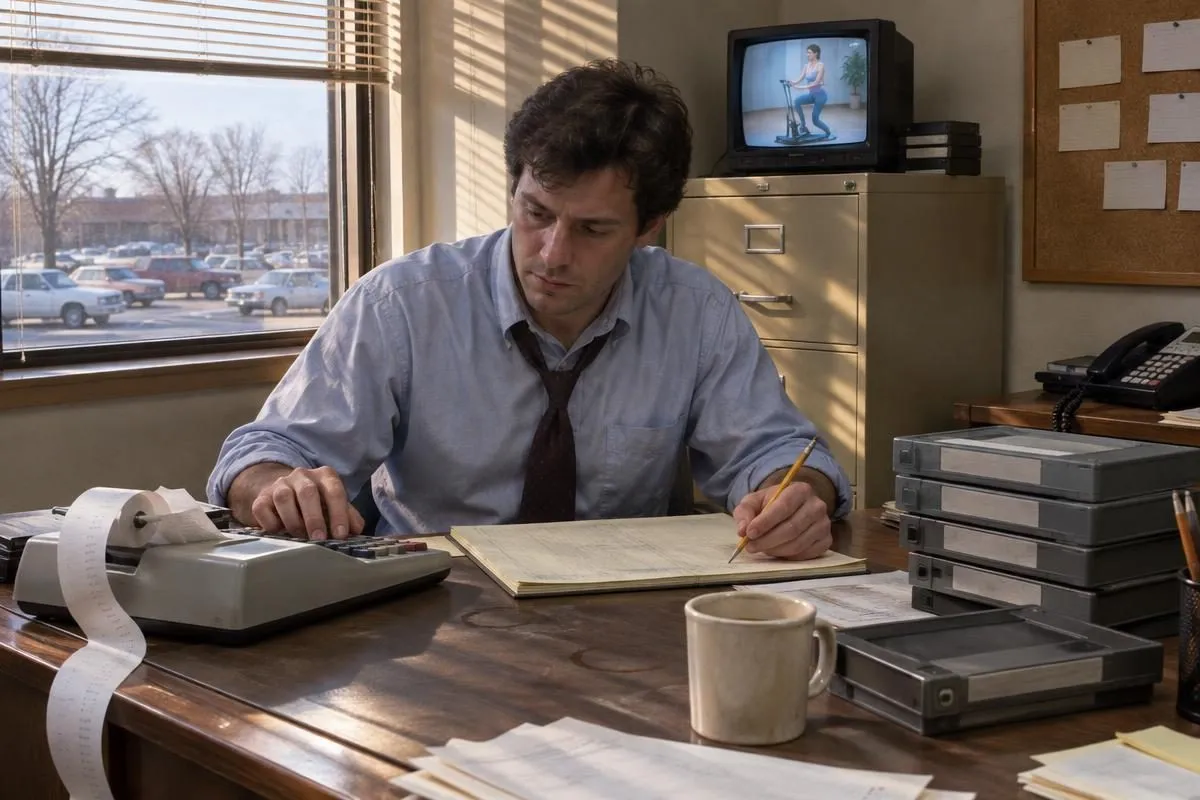
One reason the format thrived is that the economics are ruthless and measurable. A 28 minute block in a small late-night market could cost an advertiser only a few hundred dollars, while national runs cost far more. Because every order is tied to a phone number or URL, producers know exactly which stations, time slots, and creative versions produced sales, and they scale up only what works. That feedback loop is why a winning infomercial can go from a single test market to national saturation in a matter of weeks.
Do the Products Actually Work?
This is the question everyone asks, and the honest answer is: some do, some do not. Plenty of As Seen On TV products became genuine long-term successes, and plenty of others were clever demos wrapped around a mediocre gadget. We break down which is which, and how to tell the difference before you buy, in our detailed guide to whether As Seen On TV products actually work.
Famous Infomercials, Pitchmen, and Catchphrases
The infomercial era was built on personalities as much as products. Ron Popeil, Billy Mays, Suzanne Somers, Tony Robbins, and Vince Offer all became household names by fronting the format, and each developed a style fans could recognize in seconds. You can meet them in our profiles of famous infomercial pitchmen.
The best of these spots also minted catchphrases that outlived the products they sold, from “But wait, there’s more” to “Set it, and forget it.” We collect the greatest hits in our roundup of iconic infomercial catchphrases, and we rank the most important spots ever aired in our list of the best infomercials of all time.
Infomercials in 2026
The infomercial did not die when late-night television fragmented. It moved and multiplied. Long-form DRTV is still a multi-billion-dollar industry, now dominated by supplements, insurance, legal services, and home security rather than kitchen gadgets. Meanwhile the core techniques migrated online, where livestream shopping, YouTube product reviews, and TikTok demos use the exact same problem, demonstration, urgency, and social-proof structure that Ginsu pioneered in 1978. The medium changed. The formula did not.
Frequently Asked Questions
- What does the word infomercial mean?
Infomercial is a blend of the words information and commercial. It describes a long-form television advertisement, typically 28 minutes and 30 seconds, that informs and entertains while selling a single product or service directly to the viewer. - How long is a typical infomercial?
The standard infomercial runs 28 minutes and 30 seconds so it fits a 30 minute broadcast block after station identification and bumpers. A shorter 90 second to 2 minute direct-response version uses the same structure inside a regular ad break. - When did infomercials become legal in the US?
Long-form infomercials became legal in 1984, when the FCC repealed its rule limiting commercials to roughly 16 minutes per hour. That deregulation allowed program-length ads to fill late-night and weekend airtime. - What is the difference between an infomercial and a commercial?
A commercial is short, 15 to 60 seconds, and builds brand awareness. An infomercial is a full program, 28 minutes and 30 seconds, that demonstrates the product, stacks testimonials, and closes a sale on the spot. Infomercials are judged on units sold, commercials on reach and recall. - What does DRTV stand for?
DRTV stands for direct-response television, any TV ad that asks the viewer to take immediate action such as calling a toll-free number or visiting a website. Infomercials are the long-form version of DRTV, but short 30 to 120 second direct-response spots are common too. - Do people still make infomercials?
Yes. Long-form direct-response television is still a multi-billion-dollar industry in 2026, though it now leans toward supplements, insurance, legal services, and home security. The same techniques have also moved online to livestream shopping and social-media product demos.