
80s Infomercials: How Late-Night TV Got Started
The infomercial era began in 1984, the year the FCC repealed its commercial time-limit rule and made it legal for TV stations to air 28 minute product pitches. What followed was a decade of demos, 1-800 numbers, and the slow build of a multi-billion-dollar direct-response industry that we now take for granted.
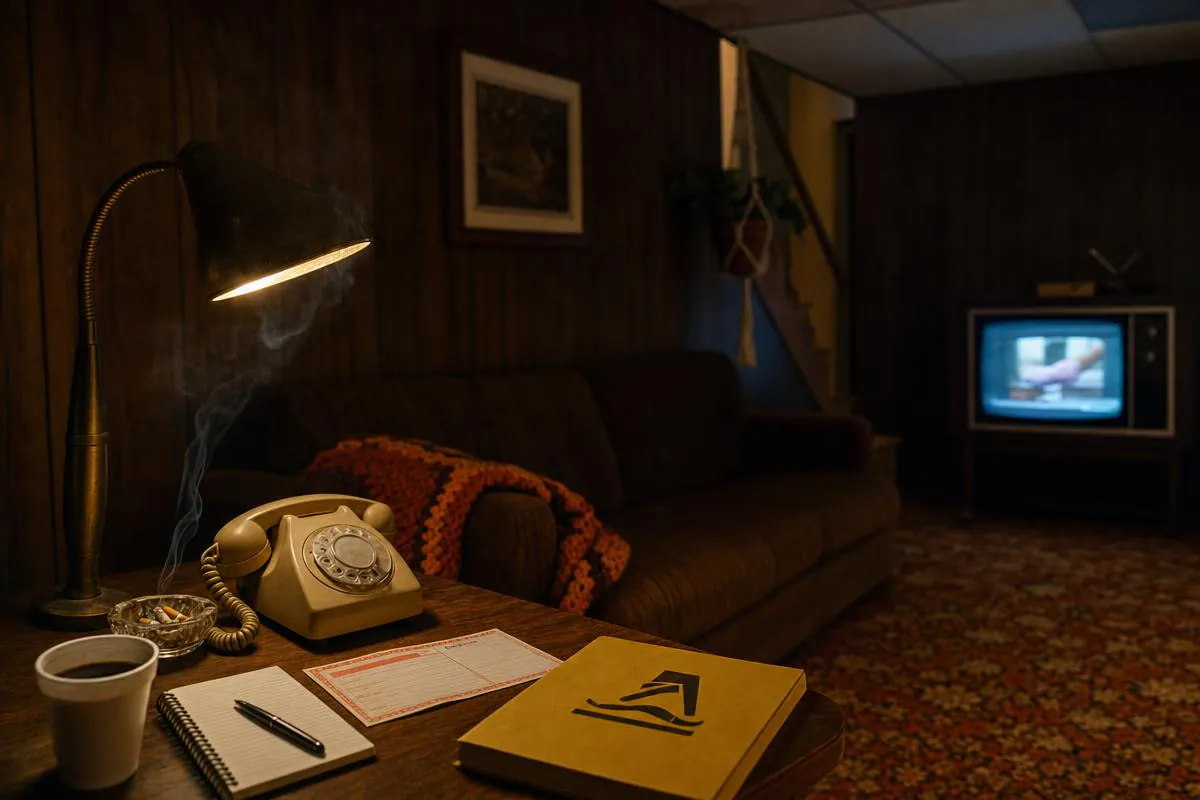
The Year Infomercials Were Born: 1984
If you want a single founding year for the modern infomercial, it is 1984. Before that, the FCC capped commercial airtime at roughly 16 minutes per hour, which made any program-length ad illegal in the United States. Reagan-era deregulation removed the cap as part of a broader push to let market forces, rather than federal rules, decide what TV stations aired.
The change was unglamorous on paper, but the practical effect was huge. Within months, late-night and weekend slots that stations had trouble selling became the new home of long-form product pitches. By 1985 you could turn on the TV after midnight and find a half-hour selling kitchen gadgets, exercise machines, or motivational tapes. For the bigger picture, see our pillar on what an infomercial actually is.
Who Made the First Infomercial?
The honest answer is that records are disputed and the format evolved gradually rather than launching on a single date. The first modern long-form infomercial is widely credited to Tony Hoffman, who produced a Soloflex pitch in 1984, although Twin Star Productions also makes a strong claim with their early kitchen-product spots. Some historians point to a still-earlier 1982 Soloflex piece that ran in a few markets before deregulation.
What is not disputed is that by 1986 there was a clear template, a core group of producers, and a recognizable cast of pitchmen working the format. The infomercial did not arrive fully formed. It was assembled in real time over the first few years after deregulation.
The 80s Format Innovations
The 80s gave us the structural building blocks that every infomercial since has used: the problem demonstration, the live or studio-audience testimonial, the price reveal, the upsell (“but wait, there’s more”), and the 1-800 number with operators standing by. Producers figured out that the average viewer needed two or three full pitch loops to commit, which is why infomercials are repetitive on purpose.
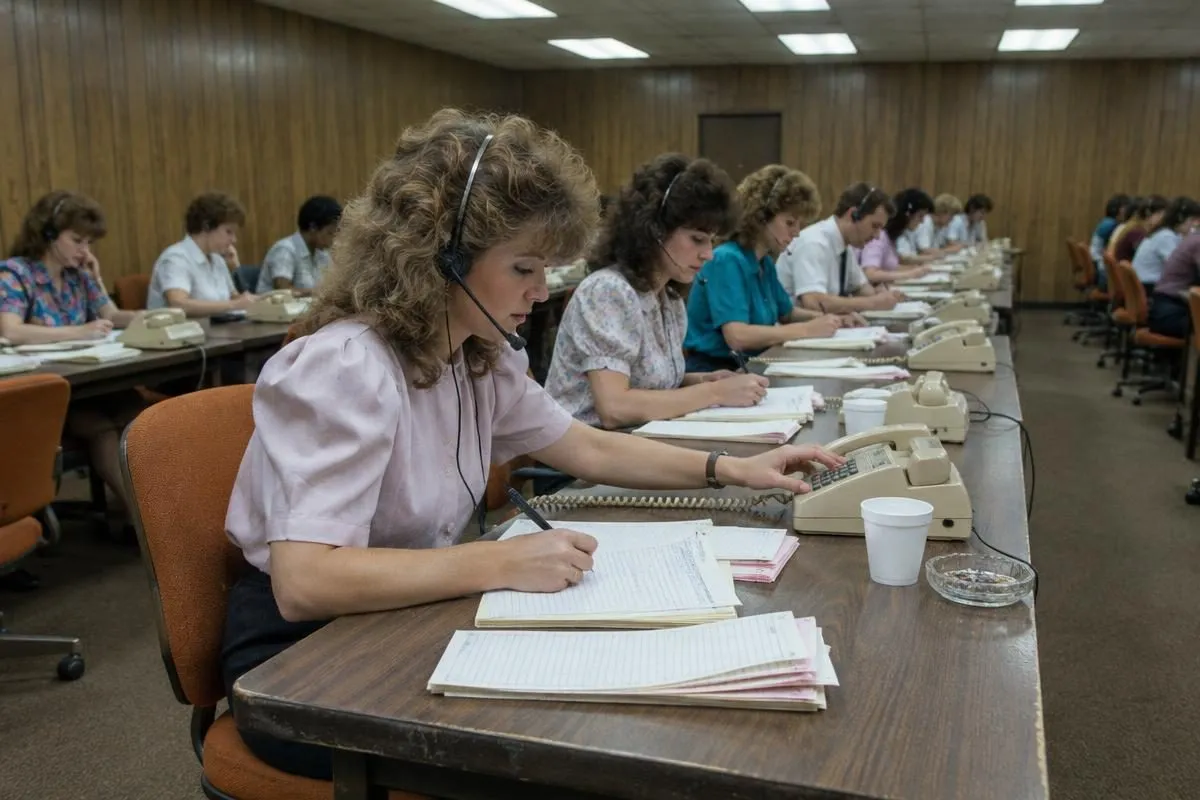
The economics were equally important. A 28 minute slot at 2 a.m. cost a fraction of a 30 second prime-time spot, and direct-response advertisers could measure exactly which time slots, networks, and markets produced sales. That feedback loop made it possible to scale a winning infomercial nationally in weeks rather than the months a traditional brand campaign required.
The Iconic 80s Infomercials and Pitchmen
Tony Robbins, “Personal Power”
Tony Robbins launched “Personal Power” in 1988, and it became the template for every motivational and self-help infomercial that followed. The format was simple: Robbins, intercut with audience testimonials and rolling B-roll of his live events, sold a 30 day audio program on cassette. The pitch leaned on transformation stories and a money-back guarantee.
Personal Power reportedly grossed over $200 million across its various editions, and it turned Robbins from a regional seminar speaker into a global brand. Most modern coaching and self-improvement DRTV traces its DNA back to this 1988 spot.
Soloflex
Soloflex was the muscle-fitness machine that, depending on which historian you ask, ran the first true modern infomercial in the early 80s. The product was a steel frame with elastic resistance straps, and the pitch leaned hard on a shirtless model demonstrating exercises against a clean white background. The visuals were striking enough to stop channel surfers cold.
Soloflex sold reportedly hundreds of thousands of units through the 80s and remained on air well into the 90s. Its influence on the home-gym category is hard to overstate.
Ronco and Popeil Products
Ronco was technically older than the modern infomercial. Ron Popeil’s father Samuel had been pitching kitchen gadgets on TV since the 50s, and Ron himself had been at it since the 60s. But the 1984 deregulation gave Ronco room to do the long-form pitches the brand had always been built for. The Pocket Fisherman, the Veg-O-Matic, and the Ronco Pasta Maker all got new infomercial life in the 80s. For more on the people behind these spots, see our profiles of famous infomercial pitchmen.
Popeil’s “It slices, it dices” patter, his rapid-fire upsells, and his close-up demos were already legendary by 1985, and they set the standard that every kitchen-gadget infomercial since has had to meet.
Ginsu Knives
Ginsu started in the late 70s, but the brand was at peak saturation in the 80s. The pitch was unforgettable: a pair of identical knives chopping through a tin can, then slicing a tomato so thin you could read through it. The “tap, tap, tap” demo became one of the most parodied moments in TV history.
Ginsu also gave the world the “and that’s not all” upsell pattern that pitchmen still use today. Order one set, get a second free, plus a paring knife, plus a steak set, plus a fork. Each addition raised the perceived value without raising the price.
Time Life Books
Time Life ran some of the most polished long-form ads of the 80s for its mail-order book series. The Old West, Mysteries of the Unknown, the Civil War, and Vietnam: A Television History each got dedicated spots that combined documentary footage with the standard direct-response close. Subscribers received a new volume every six to eight weeks until they cancelled.
The Time Life model proved that infomercials could sell prestige media, not just gadgets, and the recurring-shipment economics it pioneered are the same model that powers modern subscription DRTV.
Mike Levey and “Amazing Discoveries”
Mike Levey was the trench-coated host of “Amazing Discoveries,” a magazine-style infomercial that ran multiple products per episode. Levey was unusual for the format because he was not selling his own line. He was a pitchman-for-hire who tested products and sold whichever ones moved units.
The “Amazing Discoveries” format, half talk show and half catalog, influenced QVC and HSN and prefigured today’s livestream shopping. Levey passed away in 2003, but his template is everywhere.
The Clapper
The Clapper launched in 1985 from Joseph Enterprises, the same Bay Area novelty company that brought the world the Chia Pet. The product was a sound-activated switch for lamps and small appliances, and the jingle (“clap on, clap off, the Clapper”) instantly burned itself into the national memory.
The Clapper is a great example of an 80s product that did not need a 28 minute pitch. The 60 second jingle did all the work, which is why it shows up in our roundup of iconic infomercial catchphrases.
Why Late Night Worked
Three factors made late night the natural home for 80s infomercials. First, ad inventory after midnight was cheap because audiences were small and stations had trouble selling the slots. Second, there was no DVR, no streaming, and no second screen, which meant the people who were awake were genuinely watching. Third, insomniacs, shift workers, and parents of newborns turned out to be a surprisingly responsive audience for problem-solving products.
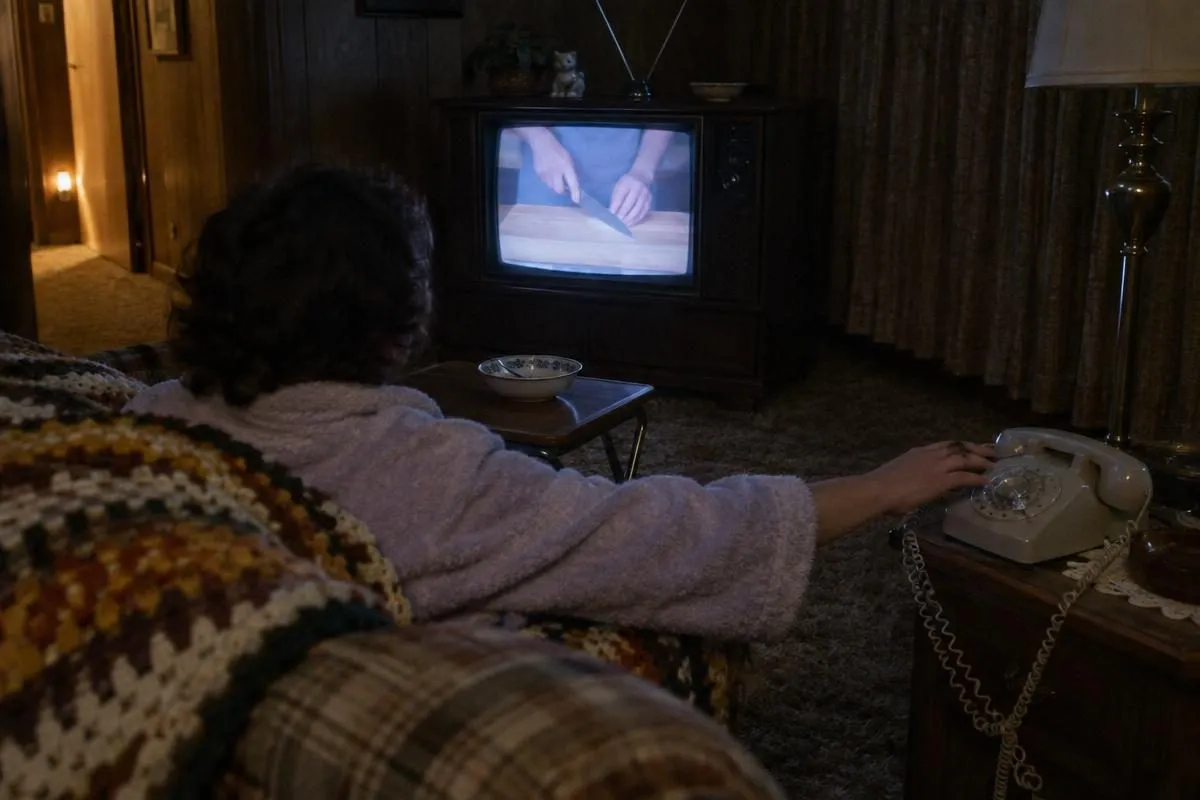
The math worked even when only 1 in 5,000 viewers placed an order. A 28 minute slot might cost the advertiser a few hundred dollars in a small market, and even a handful of $39.95 sales paid for the spot.
The 80s Legacy: What the 90s Inherited
By 1990, the format the 80s built was ready for prime time. The 90s took the template and scaled it up: bigger budgets, bigger studio productions, celebrity hosts, and product launches that started on infomercials and ended up in retail. The George Foreman Grill, the Total Gym, the ThighMaster, and Tae Bo all owe their structure to lessons producers learned in the 80s. For the full nostalgia tour, see our guide to 90s infomercials and our all-time best infomercials roundup.
Frequently Asked Questions
When did the first infomercial air?
The first long-form infomercials in the modern sense aired in 1984, immediately after the FCC repealed its commercial time-limit rule. Some products had run extended pitches in late-night blocks earlier, but 1984 is the year the format became legal nationwide.
What was the first infomercial product?
Soloflex is widely credited as one of the first products to air a modern long-form infomercial in the early 80s, and a 1984 Tony Hoffman pitch is sometimes cited as the first true post-deregulation infomercial. Records are disputed because the format evolved gradually rather than launching on a single date.
Why did the FCC change the rules in 1984?
The 1984 change was part of a broader Reagan-era push to deregulate broadcasting. The FCC determined that market competition, rather than fixed time limits, would better serve viewers. The practical effect was that stations could sell 28 minute blocks of ad time, which created the modern infomercial.
What is a DRTV ad?
DRTV stands for direct-response television. A DRTV ad is any TV commercial that asks the viewer to take an immediate action, usually by calling a 1-800 number or visiting a website. Infomercials are the long-form version of DRTV, but short-form 60 and 120 second DRTV spots are common too.
Who invented the modern infomercial format?
There is no single inventor. The demo-plus-testimonial structure was refined by pitchmen like Ron Popeil and producers like Twin Star Productions in the early-to-mid 80s, and Tony Hoffman is often named as a key figure. By 1988 the Tony Robbins “Personal Power” infomercial had codified the format into a repeatable template.
Why did infomercials run so late at night?
Late-night ad inventory was cheap because audiences were small and stations had trouble selling the slots. Infomercial buyers paid by the half hour and could test creatives at low cost. Insomniacs and shift workers turned out to be a surprisingly captive audience, which made the economics work.